
The Eclectic Table #5
Dispatches from the kitchen and the garden

Welcome to the latest in my Eclectic Table series which is free to read at present. One of the reasons I write and publish this here is because my regular column in The Sunday Times had to be dropped because poor old Rupe is down to his last few billion. (I still contribute occasional profiles of interesting people). If you could subscribe, I’d be most grateful. It’s only €40 for a whole year and it really does make a difference. Anyway, onwards and upwards…
A PUNT ON PUNTARELLE
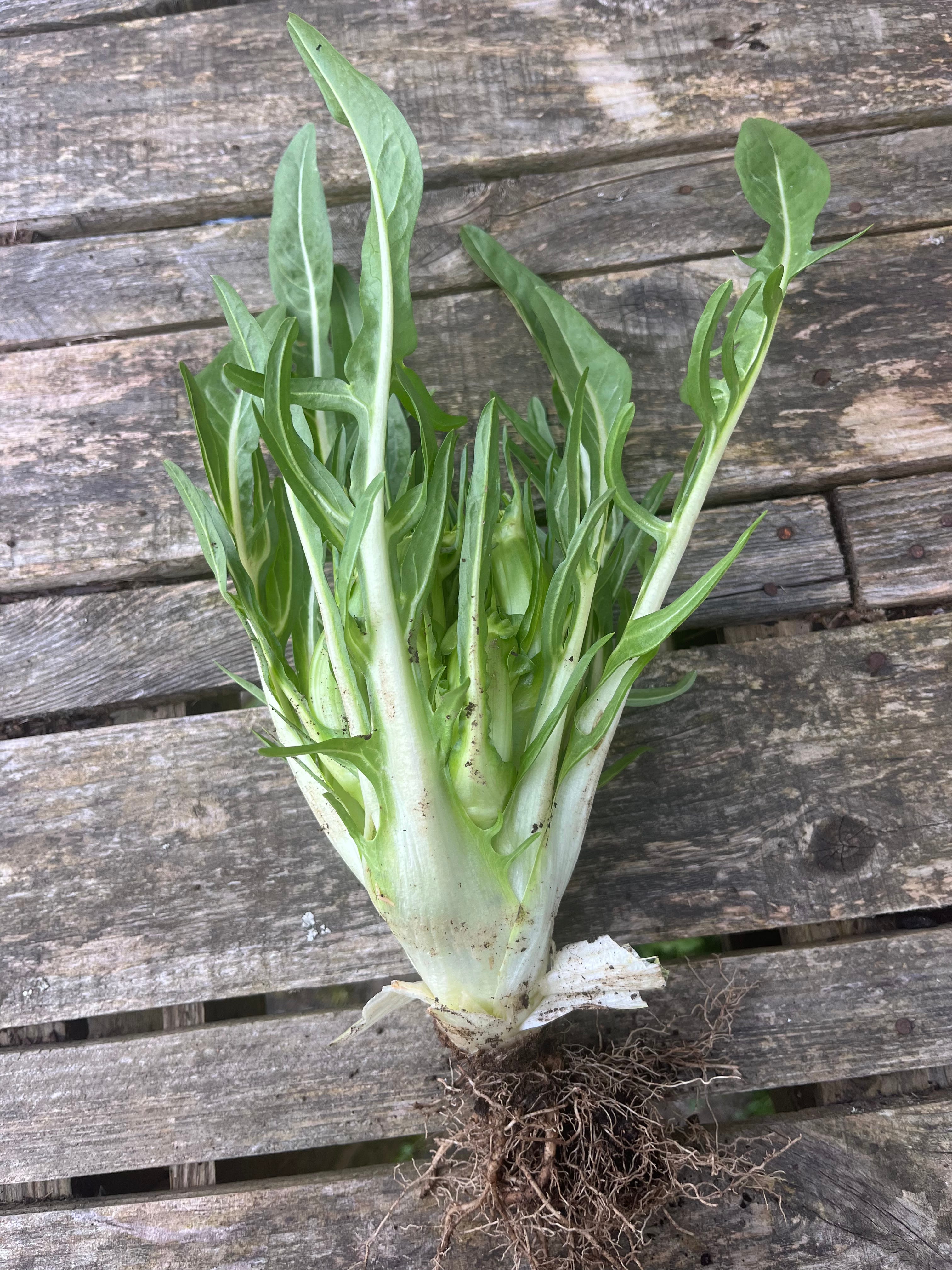
Pride before a fall and all that. When my daughter brought back puntarelle seeds from Naples last year I convinced myself that I would be the only one in Ireland to have a fresh supply of this very distinctive Italian salad vegetable. I was wrong, of course. When I went on Instagram I found that our friend, Melissa O’Neill (who volunteers in the Ballymaloe kitchen garden) has been growing it for years and then saw Dermot Carey displaying a fine head of it at Ballincarey Farm.
Anyway, puntarelle is still rather hard to come by here. In Rome you can even buy it ready prepared (sliced and turned into curls by submersion in ice water). And you can get hold of a talglio puntarelle for instant and correct slicing.
Anyway, following the directions on the packet of sementi I sowed mine in modules in July and decided to plant out in the polytunnel despite its well-established hardiness. And last week I picked my first head of the stuff.
It’s a fleshy member of the chicory family and the classic way of serving it, having turned the white mid-ribs and inner parts into curls, is in the Roman manner: simply with the best olive oil, lemon juice and anchovy.
My problem is that I don’t get on famously with anchovies. I employ them enthusiastically but sparingly in a lamb casserole but anchovies qua anchovies leave me cold. So I had to concoct a way of serving my puntarelle.
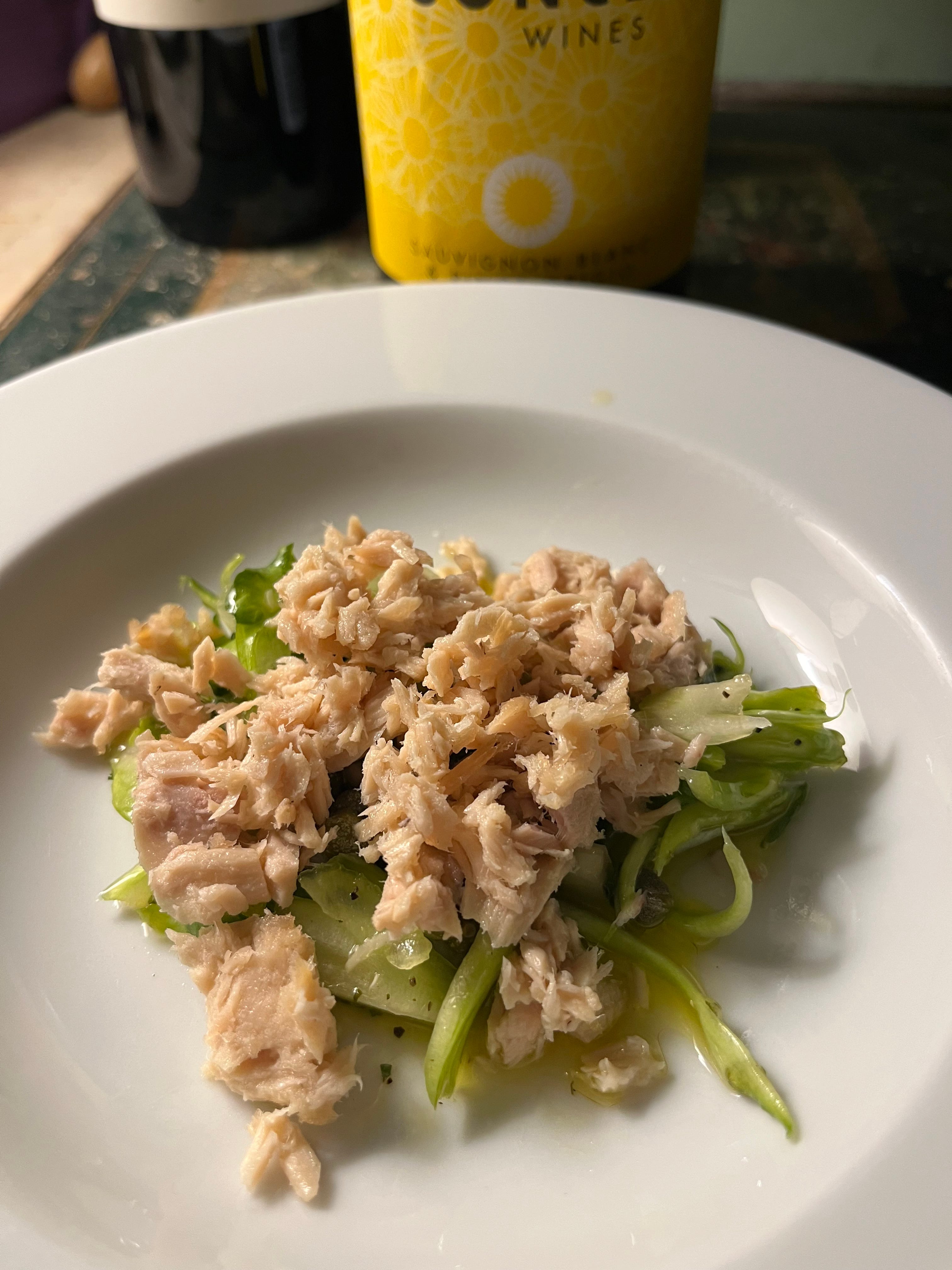
For milder fishiness I employed Ortiz tuna allied to very good Greek olive oil (from The Real Olive Company), lemon juice, crushed peppercorns, some cappers and a little finely chopped mint. And it worked well. The bitterness of puntarelle – mine, at any rate – is pretty mild and the texture is pleasingly crisp.
What I had left over I mixed with the same dressing, pieces of de-stringed celery and some organic oranges to serve with roast duck. It was no hardship.
This year I’ll sow at the start of June and plant some outside.
GREAT GARDENS

I was delighted to attend the opening of an exhibition about the life of Hermann Dool at Mount Congreve in Co Waterford by the ambassador of the Netherlands, Maaike van Koldam. Dool was Ambrose Congreve’s head gardener and the two men created one of the great gardens of the world near Kilmeaden. At Congreve’s death in 2011, at the age of 104 (on his way to the Chelsea Flower Show), he left the house and gardens to the people of Ireland..
It was in 1968 that he inherited and subsequently employed Hermann Dool who had come to Ireland from war-ravaged Holland. Dool embraced the Congerve theory of gardens: don’t plant here and there; plant lots and all together. The result, built up mainly in the 1970s using a vast fortune founded on gas and petrochemical technologies, features 300 varieties of magnolia and 600 varieties of camellia and no fewer than 2,000 varieties of rhododendron (which suggests that Mount Congreve has examples of very one in existence). There is a broad walk lined with 200 magnolia trees which are in full spate right now.
One of Dool’s sons, Elmer, has curated the exhibition from his late father’s archive and features letters from Congreve giving instructions and informing him of how many plants he has ordered (rarely fewer than 300 of each) and, of course, his well-thumbed copy of Hillier’s Manual of Trees and Shrubs.
Another son, Ron, has the excellent Orchardstown Garden Centre as you turn from the N25 towards Tramore near Kilmeaden.
Ambrose Congreve started gardening while he was still at Eton and was profoundly influenced by his godfather, Lionel de Rothschild whose Exbury gardens in Hampshire are well worth a detour.

(Photo: Irish Heritage)
Another great Munster garden reopens has just reopened: Annes Grove near Castletownroche, given to the nation by Patrick and Jane Grove Annesley. It’s run by the Office of Public Works who hope to restore the rather lovely Georgian house at the centre of this 30 acre garden by the rive Awbeg (which eventually joins the Blackwater). Annes Grove, as it is now, was created by Patrick’s great-grandfather, Richard Grove Annesley who died in 1966 and was one of the great plantsmen of the 20th century. Indeed he helped to fund the plant-finding expeditions of Frank Kingdon Ward. Amongst the lush, exotic planting here there are thought to survive actual plants brought back from the wild by Ward himself.
GOING WILD WITH GARLIC
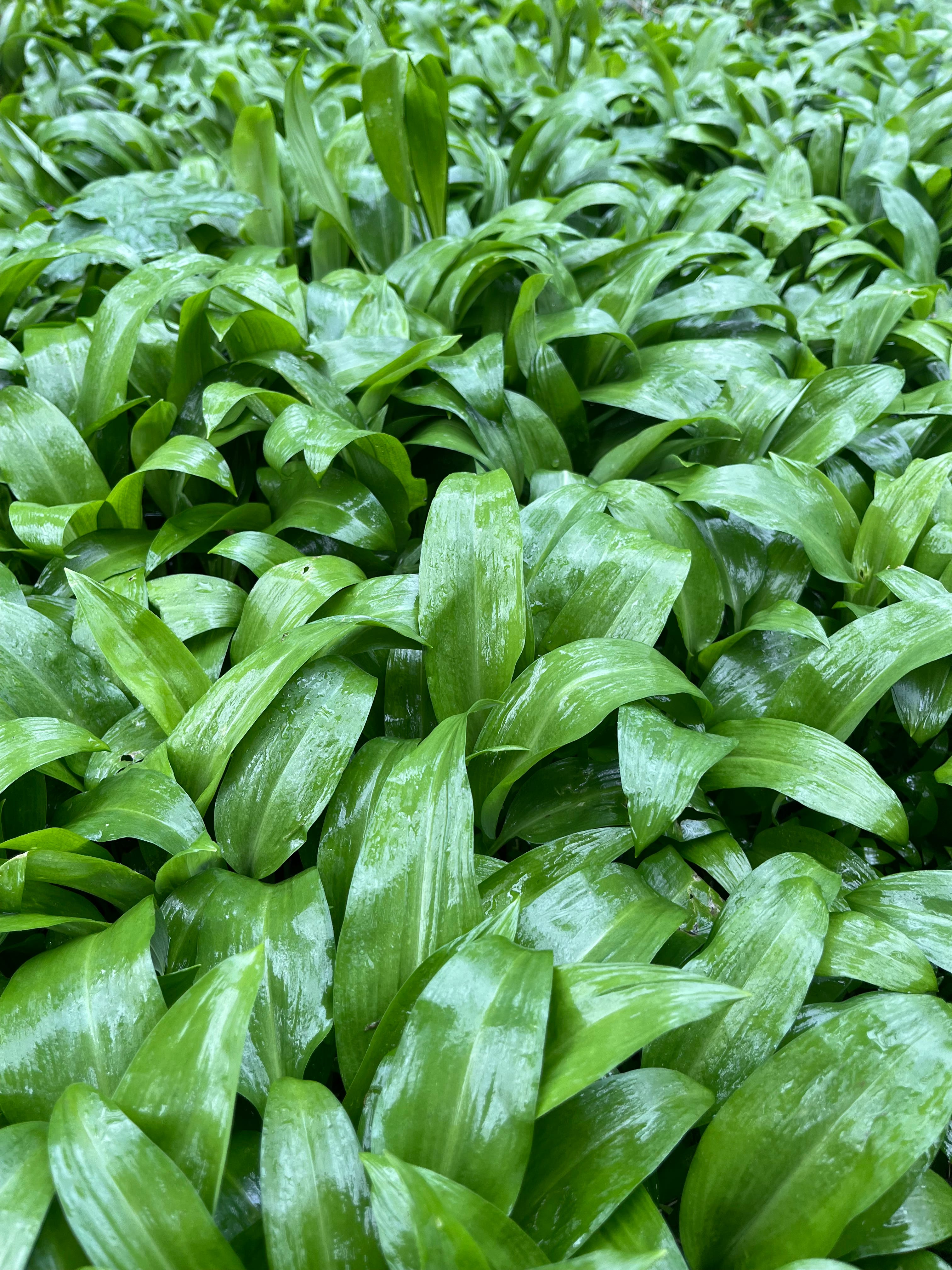
Horticultural theft runs in my family. My mother was somewhat light-fingered when it came to cuttings and she had particular success with a rose “slip” (as she used to say) filched from a house on Clonskeagh Road. When I was about 14 I read that rue grows best if stolen, so I put it to the test by way of the Botanic Gardens in Glasnevin. My only other plant heist was from the – admittedly wild – grounds of Howth Castle from which I liberated a handful of wild garlic complete with bulbs and roots. Although it loves damp woodland, it did well in the thin grey soil of Drumcondra in the shade of a privet hedge.
We’re lucky to have a few acres of old woodland here and two very large patches of wild garlic Allium ursinum (not to be confused with the much fleshier and coarser tricorn leek Allium triquetrum (which looks a little like a white bluebell). It has a short season and we like to get stuck in as soon as possible.
During wild garlic season there will always be a wild garlic omelette and plenty of wild garlic pesto (just use it instead of basil) and scattered outbreaks of a dip made by combining it with feta and a little olive oil and lemon juice. Johann makes a wild garlic salt that lasts from season to season and wild garlic butter keeps fairly well (thoroughly sealed!) in the fridge.
Monica Sheridan, our first television chef, wrote: “Thirty years ago [i.e. in the 1930s], garlic was in daily use in kitchens all over Ireland... In our house in the country, they put it into the food - and into the whiskey. Toothache, tonsils, stomach-ache, and all other internal complaints were doctored with the same medicine - two or three cloves of garlic crushed, and wet with half a glass of whiskey. This was poured down the patient’s throat without a by-your-leave. It was a nauseating brew, enough to put anyone off whiskey for life.”
KITCHEN DISPATCH
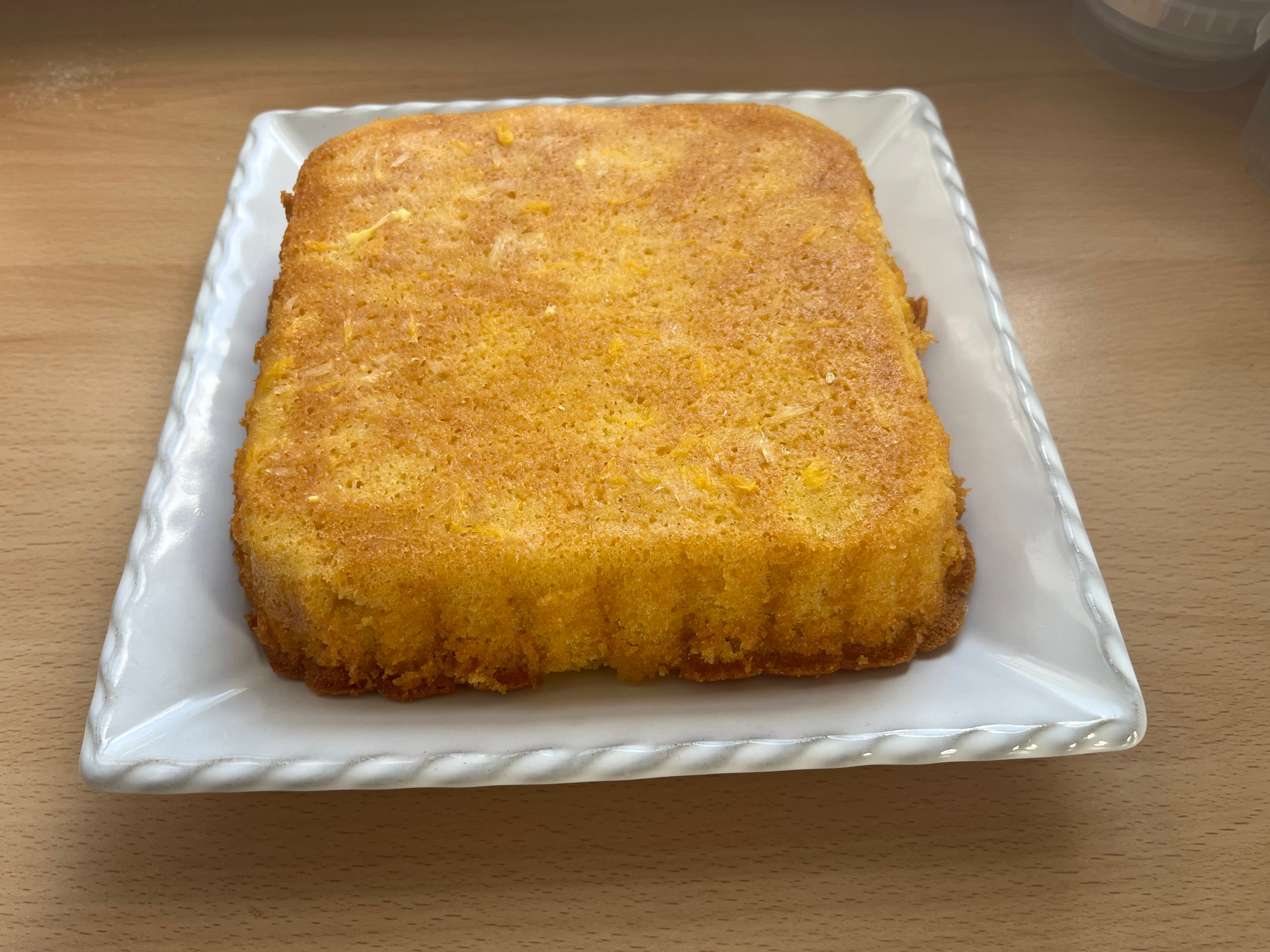
For Mother’s Day, Johann requested ribeye steaks which I duly delivered – from the unseasonal barbecue but it gives a smoky deliciousness that can’t be bettered. And in place of my usual Béarnaise, there was wild garlic butter due to the season that’s in it. But I wanted to go further and, as I had some unwaxed organic oranges, I decided on an orange and polenta cake. I eventually fell upon a recipe by Elisabeth Luard in her Sunshine and Saffron and I reproduce it here because, after an anxious time at the addition of the olive oil (the basic one from ALDI), it turned out to be lovely.
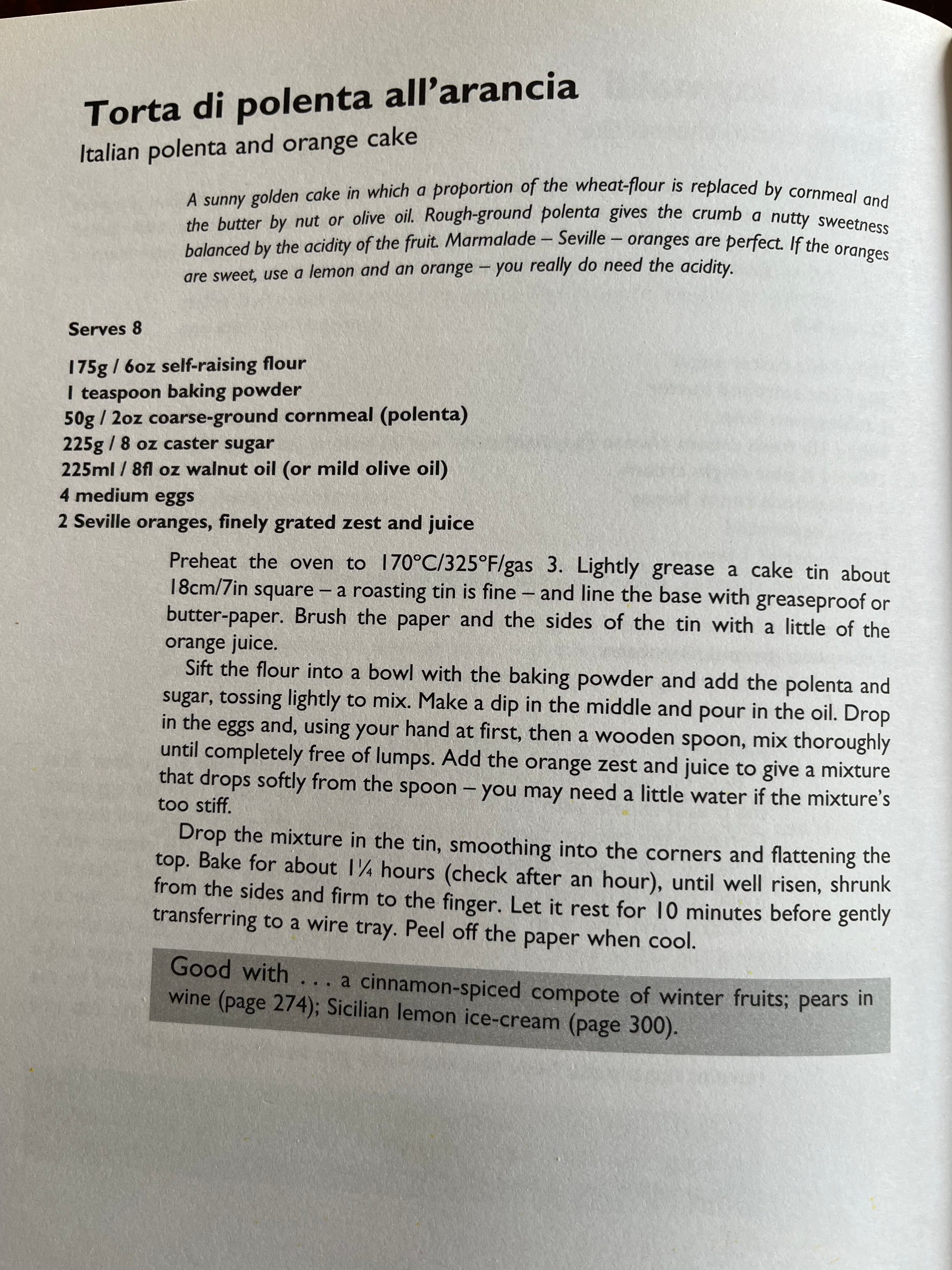
I am a bit impatient with recipes and didn’t clock that Elisabeth suggests using Seville oranges (hence the huge amount of sugar) until after the cake was in the oven. So I mixed some orange juice with lemon juice, prodded the cake with a skewer while still warm and liberally anointed it. Still a bit sweet for me, but no hardship.
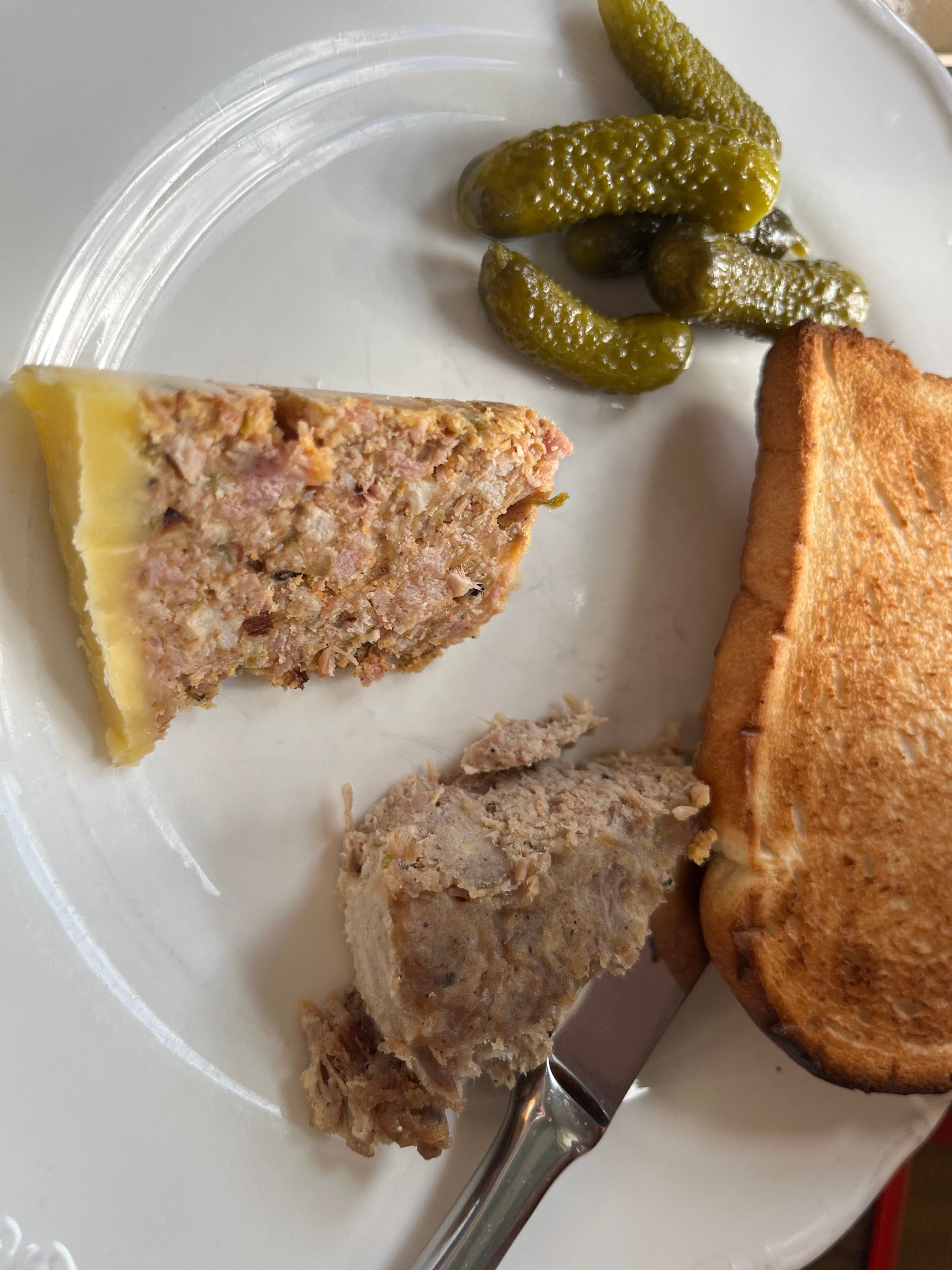
I came across a recipe for potted ham on Nigella Lawson’s excellent website and set about using up some of what we had in the freezer since Christmas. It was excellent but I forgot, first time around, to add the capers. They make a lovely difference but if you don’t fancy them your potted ham will be almost as good without.
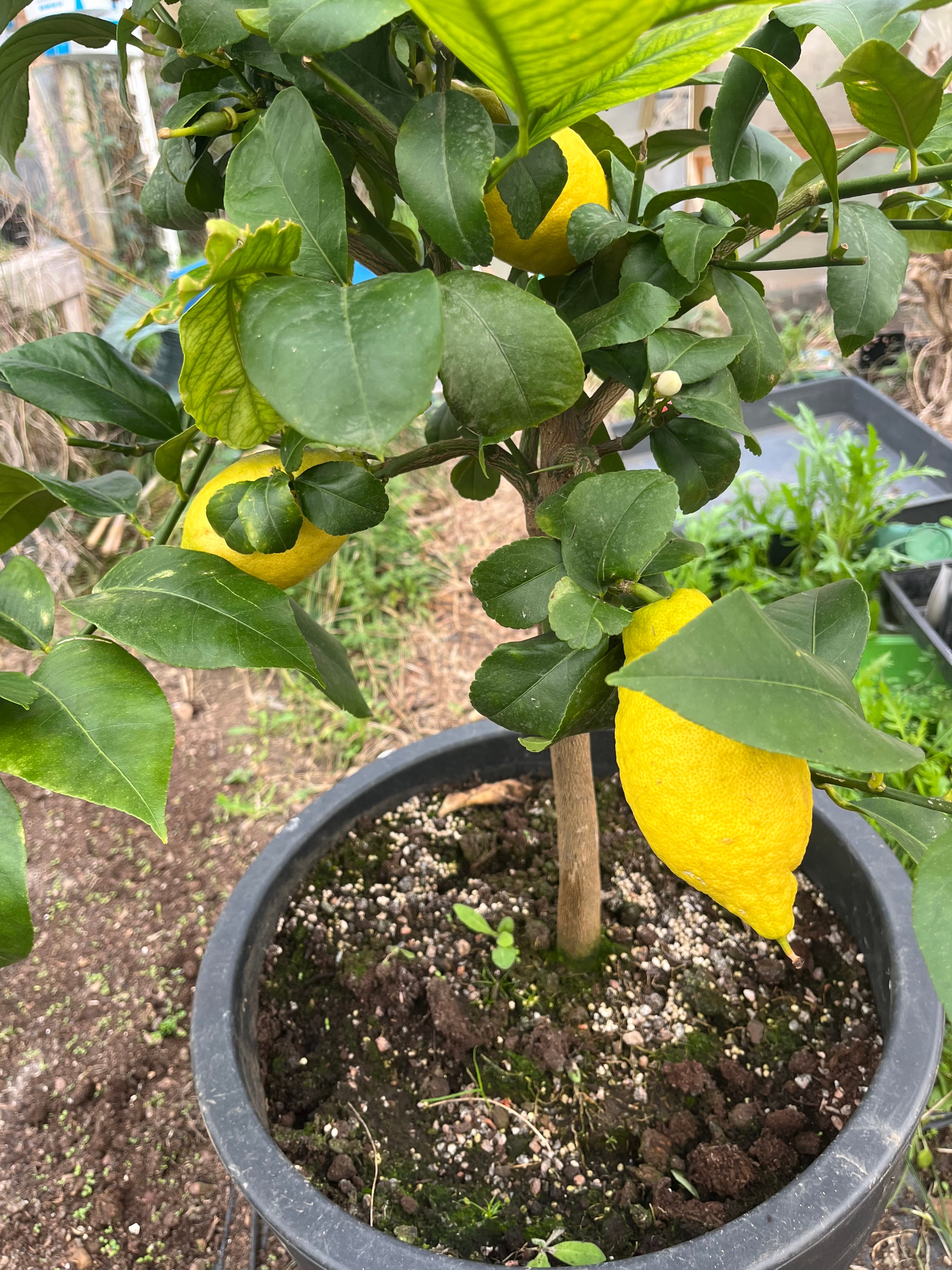
Our lemon tree, currently in a large pot in the polytunnel, has produced three fruit and they are now ripe. They must be consumed with great respect and we have planned – when we next have guests – a Sussex pond pudding, from the recipe by Jane Grigson. This involves suet pastry, a whole lemon, much butter and brown sugar, and a long time steaming in the bottom oven of the AGA. Watch this space.
IN SEARCH OF BETTER BOTTLES
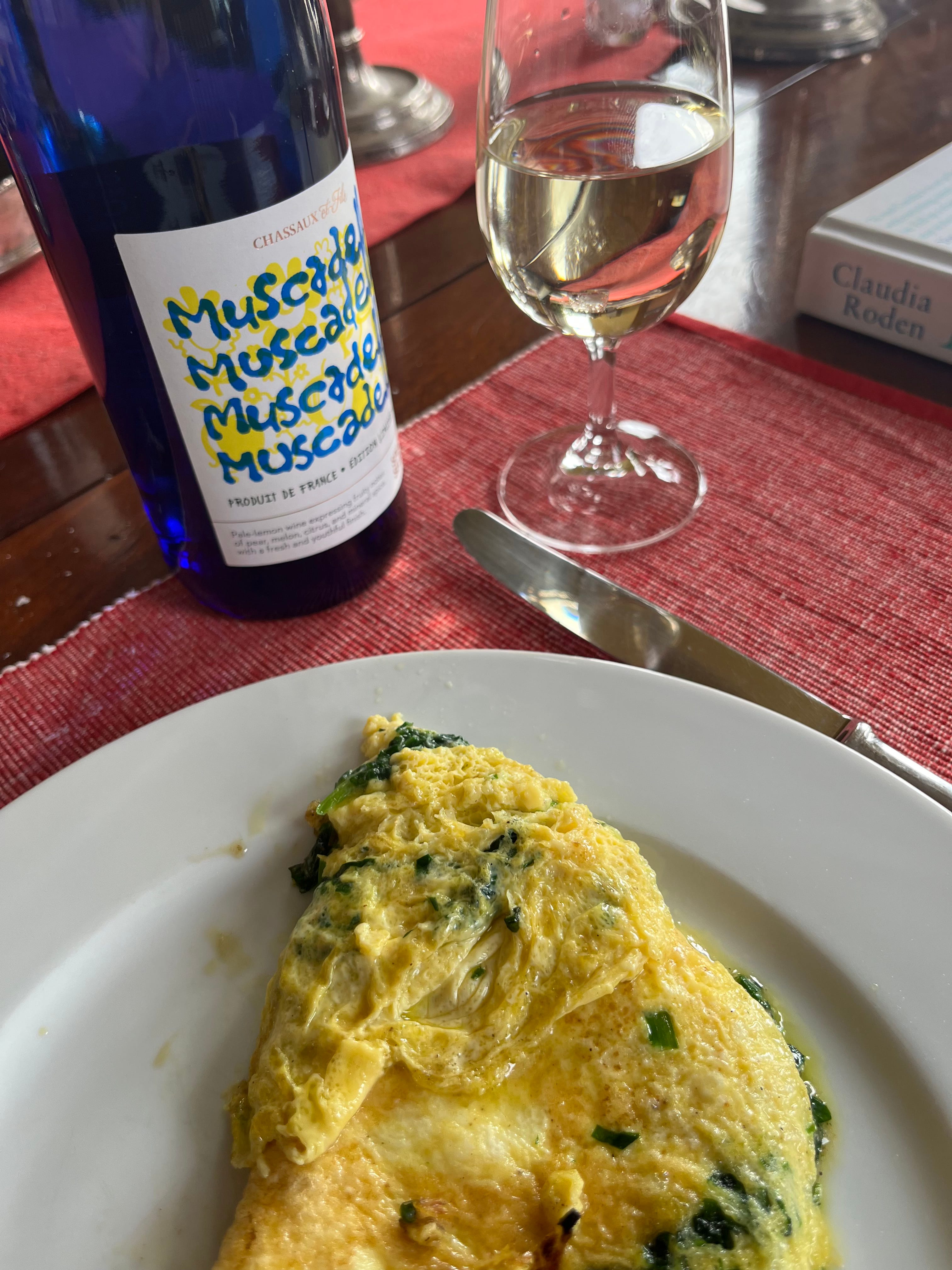
This is what we had with the wild garlic omelettes. Something distinctly different, Specially Selected Muscadelle (€9.99, ALDI) is a light, delicate, fragrant white from South-West France and the Muscadelle grape. Bizarrely it tastes and smells not unlike the more famous Muscat grape, but it’s not related. Aromas of dessert grapes and roses (think pink Turkish delight) but it’s dry and refreshing. Muscadelle appears in some of the great white wines of Bordeaux, but it’s rarely seen performing solo.
A new vintage of Athlon Assyrtiko 2025 (€9.99) is coming soon to ALDI. Showcasing one of Greece’s key white wine grapes that can reach phenomenal levels of ripeness without losing its fresh, zingy acidity. Here it’s joined by just a touch of Chardonnay to create a golden, vibrant, ripe but crisp white wine. It makes a perfect aperitif but will be best friends will all kinds of seafood. It even gets on brilliantly with buttery roast chicken.
You can read all of my tasting notes for the Spring/Summer collection at ALDI here.

I don’t often taste Chablis (although I do find that Marks & Spencer’s 1er Cru Côte de Lechet is something of a regular as it offers very attractive value for money). Domaine Roland Lavantureuz Chablis ‘Vau Renard’ 2023 (€35, Whelehan’s Wines) reminded me again of what the essence of Chablis can be in a good vintage. The minerality that Chablis’s Kimmeridgian limestone delivers is key and it’s curious to think that the rock started life as sea creatures, given how well Chablis works with oysters. But in really good Chablis there is a delicate, almost contradictory, balance between this, allied to ripe fruit and the accompanying acidity. It gives this wine a certain nervous energy, a vibrancy that you simply have to taste to understand. The use of oak in Chablis divides opinion. M. Moreau once said to me, “I’m a wine producer, not a timber merchant!” My own view is that it must be used very carefully, as it is in this quite delicious wine. It’s a gentle seasoning, nothing to obscure the minerality and acidity. In a word, harmonious.
Another gem from Whelehan’s, and €20 less, is the Cuvelier Bordeaux Blanc 2023 (€15, down from €18) from the family who own, amongst several great estates, Château Léoville Poyferré in Saint-Julien. It’s 100% Sauvignon Blanc and the crisp freshness – this is very modern white Bordeaux – is due to fermentation in stainless steel. It’s not a pungent Sauvignon, so if you insist on the Marlborough punch on the nose, this is not for you. But with fresh goat’s cheese, it’s the business. There’s a barely perceptible touch of oak to boot.
EATING AND DDRINKING ITALIAN
Generalisations about Italian food abound despite the size of the country, the use of butter versus olive oil and the idiosynracies shared by every nonna. But of all countries, I think Italy demonstrates how its wines magically pair with what we can broadly call their most exported dishes. Believe me, as one who loves to make slow-cooked ragù, there’s simply no point in having a claret with it, in whatever form, from tagliatelle Bolognese (never spaghetti in Bologna where they say this is an Americanism) or in a creamy lasagne.
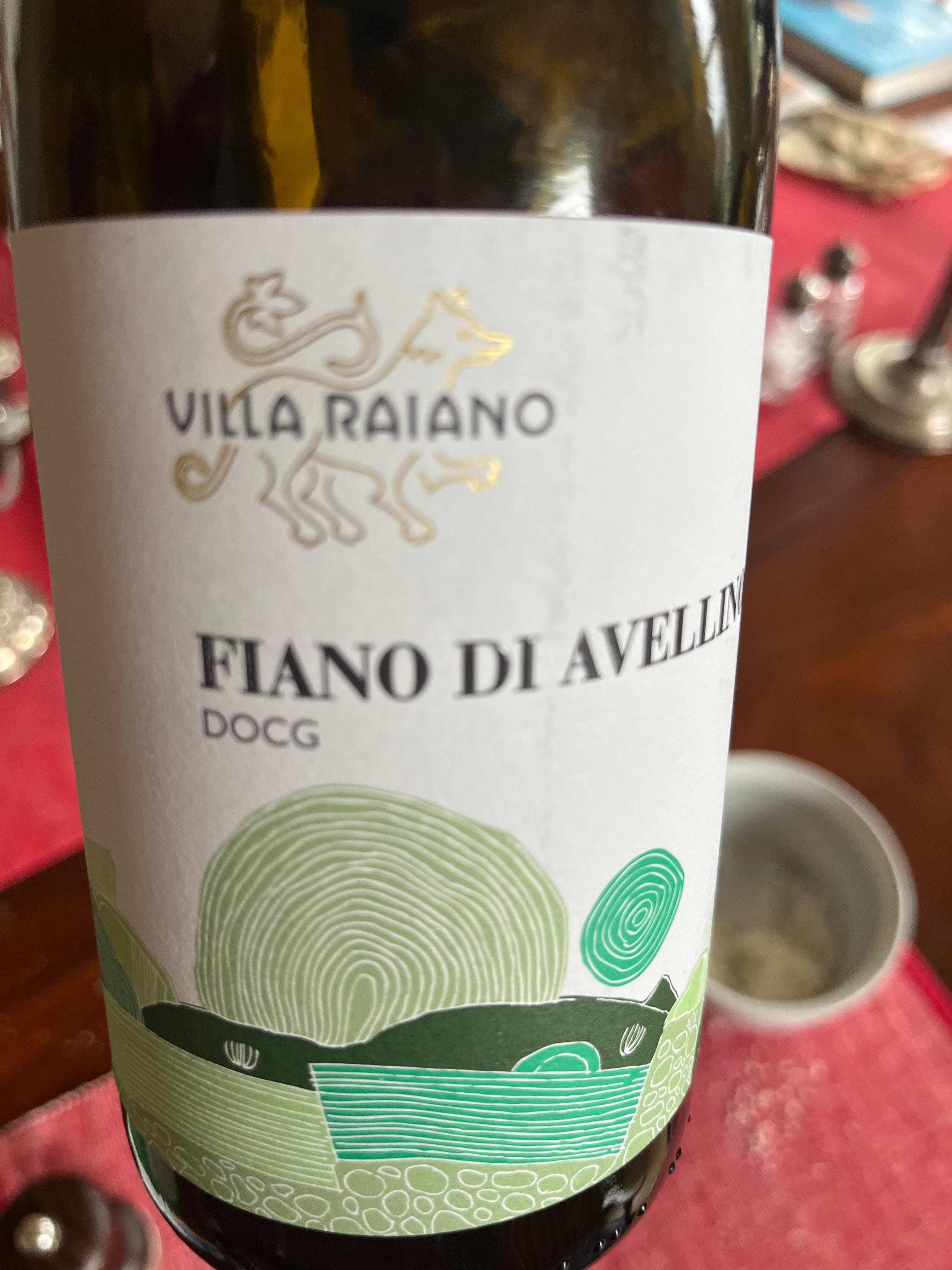
Now, in Bologna, they eat these with wines from Emilia-Romagna but I tend to look to Tuscany, and O’Brien’s have just the ticket in San Felice Chianti Classico 2023, reduced to a bargain €14.99 from the usual €23.99. It even worked a treat with linguine carbonara although I have to say their Villa Raina Fiano di Avellino 2024 (€23.99, O’Brien’s) is even better in this company. It’s a supremely elegant white wine from the hinterland of Naples, the Fiano delivering both ripeness and freshness with a herbal, luscious white peach style.
IN THE KITCHEN GARDEN
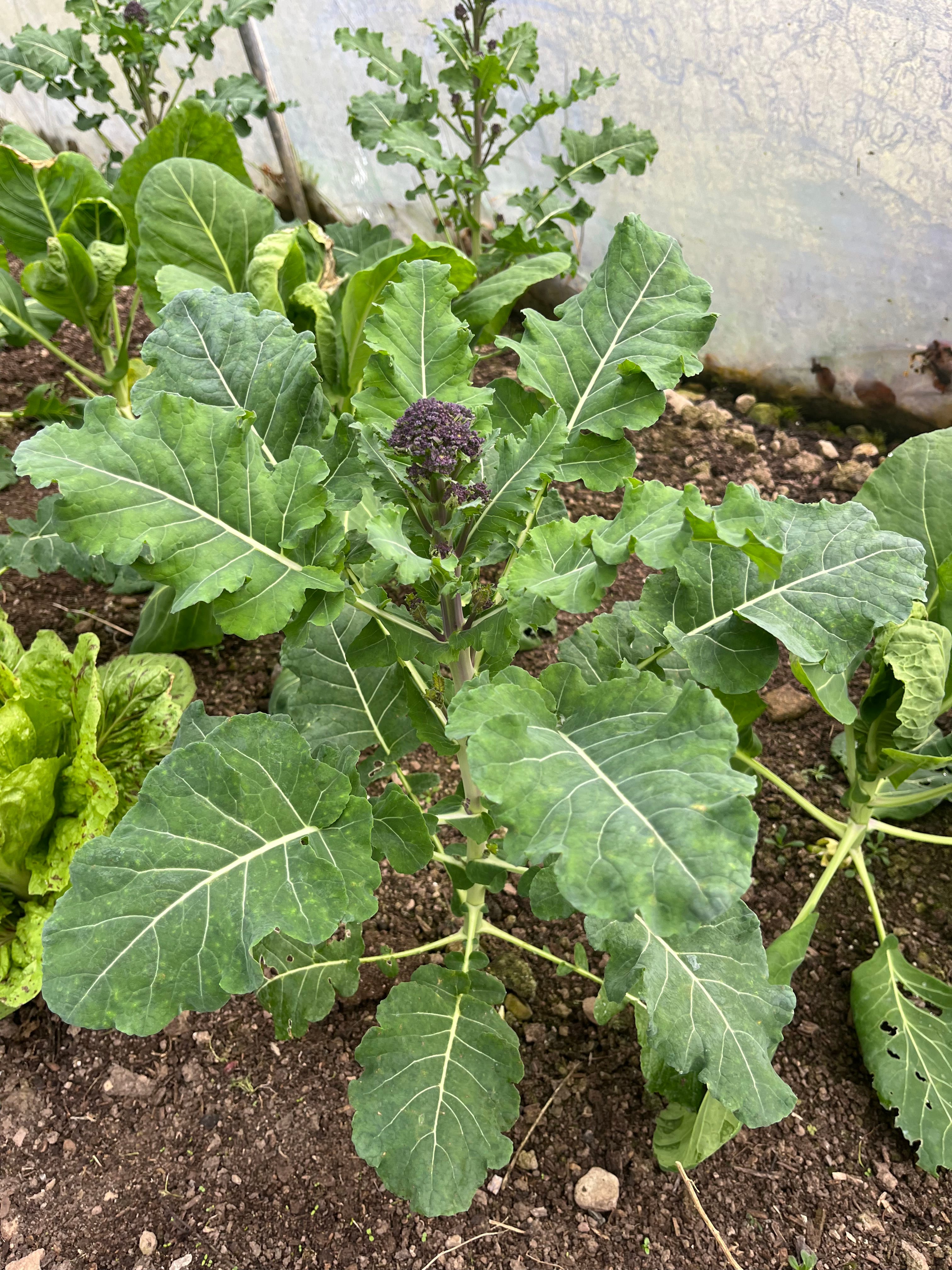
As I write, the broad beans (Claudia Aquadulce, sown in December in the tunnel) are just starting to flower and will soon fill the place with its heady perfume, the peas are just up (I adopted a zero tolerance policy with the voracious mice), the overwintered salads are still in full spate (a first for me) and we had our first pick of purple sprouting broccoli. The pigeons put paid to my own plants during the Summer, so these were bought in back in October along with some Spring cabbage. The garlic was planted in December and is now well up. I was surprised at how well garlic does in the tunnel (and I still have a bed of the stuff outside, planted in November). It’s a very worthwhile crop.
I normally sow tomatoes in January but I delayed this year and they are still just vigorous seedlings: Yellow Queen, Harbinger, Saint-Pierre; I’ll buy Gardener’s Delight and Ailsa Craig when they hit the garden centres, and they will hopefully be a bit further along than my own. Aubergine “Moneymaker”, the best for our climate and a most worthwhile F1 were sown at the same time as the tomatoes and have been a bit slower. The cucumbers are already 7cm high with their true leaves. Courgette “Firenze” F1 is just peeping through and Padron peppers will be sown this week. It’s a busy time with seeds…
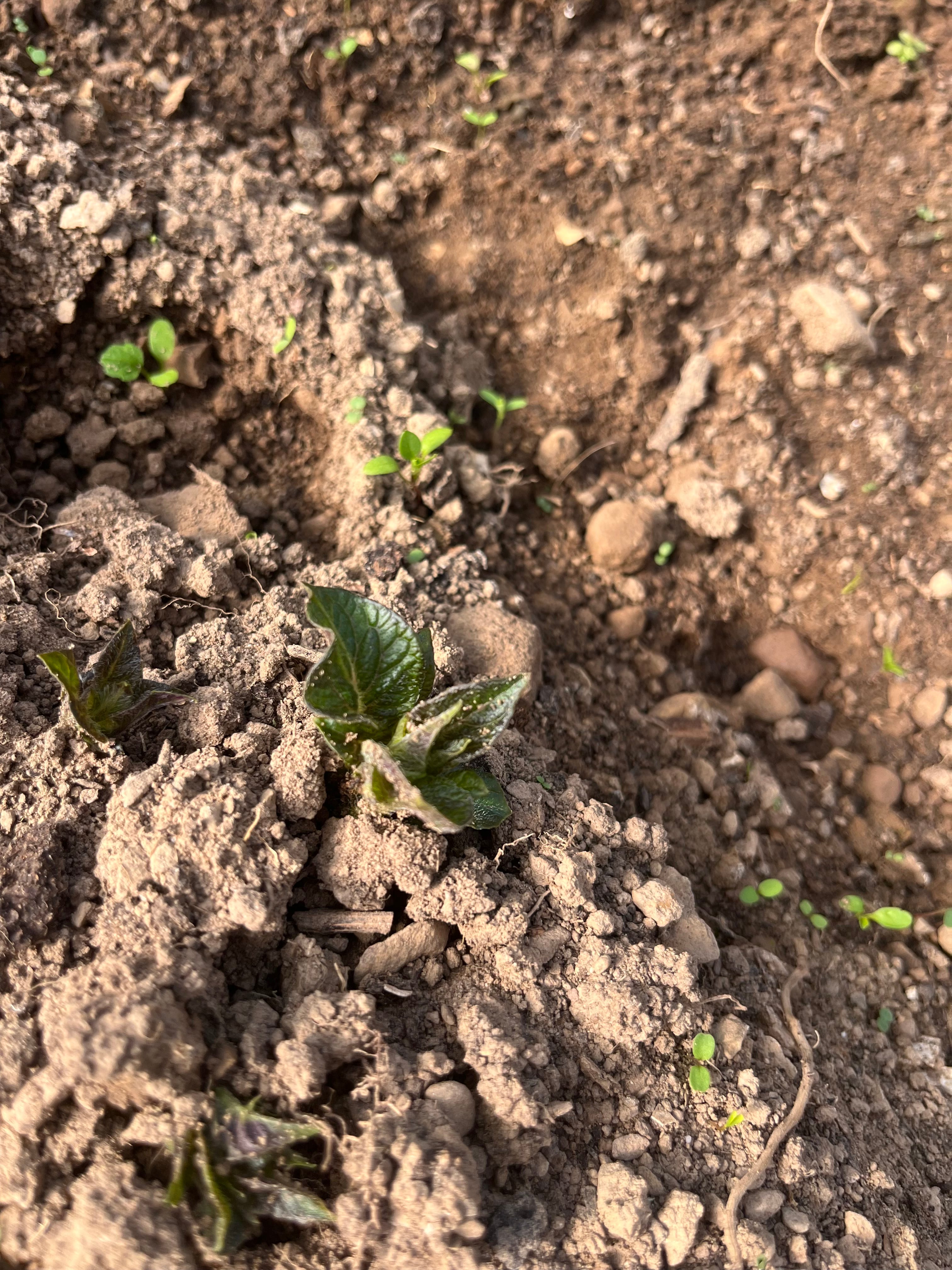
Stop press! The early potatoes - Home Guard - planted in the tunnel are just coming through.

.Bumble has noticed that the garlic needs weeding…
ON MY LIST…
That venerable London establishment, Simpson’s in the Strand (not on the Strand!), has reopened after a major overhaul by the legendary Jeremy King. Closed since 2020, the grand dining room is looking glorious by all accounts, and there’s a lighter restaurant called Romano’s, plus two bars. The menu floats my boat to be frank but booking well in advance for the dining rooms seems to be indicated. Initial reports are all good.
I envy you those ripe lemons. This time last year I was in Rome and there were lemons on the terrace. I took three home: best gin and tonic I ever drank.
Glad you enjoyed the wines Tom. I cant get enough of that Chablis these days